
As a commonly used sterile dressing in clinical practice, the quality of medical gauze directly affects wound care effectiveness and patient safety. The following summarizes the core identification criteria for high-quality medical gauze from a professional perspective to help you quickly evaluate product quality:
I. Material and Craftsmanship: Quality Fundamentals
1. Premium Pure Cotton Material
High-quality medical gauze should be made of 100%脱脂棉 (degreased cotton), with a soft and delicate texture, free of hard stems, impurities, or mixed chemical fibers. A simple combustion test can assist in judgment: pure cotton burns into grayish-white loose ash with no peculiar smell; if it contains chemical fibers, it will emit a pungent odor during combustion, and the ash will be black and hard.
High-quality medical gauze should be made of 100%脱脂棉 (degreased cotton), with a soft and delicate texture, free of hard stems, impurities, or mixed chemical fibers. A simple combustion test can assist in judgment: pure cotton burns into grayish-white loose ash with no peculiar smell; if it contains chemical fibers, it will emit a pungent odor during combustion, and the ash will be black and hard.
2. Precise Weaving Standards
The fabric surface must be flat and uniform, without defects such as skipped stitches, broken threads, or missed weaving. The edges should be neat without loose threads to avoid lint shedding that may contaminate wounds during use. High-quality gauze has a moderate weaving density, ensuring both breathability and preventing fiber detachment.
The fabric surface must be flat and uniform, without defects such as skipped stitches, broken threads, or missed weaving. The edges should be neat without loose threads to avoid lint shedding that may contaminate wounds during use. High-quality gauze has a moderate weaving density, ensuring both breathability and preventing fiber detachment.
II. Sterility and Safety: Core Medical-Grade Requirements
1. Strict Sterility Assurance
The packaging must be completely sealed, clearly marked with the sterilization method (e.g., ethylene oxide sterilization), sterilization validity period, and production batch number to ensure sterility when opened.
The packaging must be completely sealed, clearly marked with the sterilization method (e.g., ethylene oxide sterilization), sterilization validity period, and production batch number to ensure sterility when opened.
2. Complete Compliance Certifications
As a sterile medical device, it must be registered with the National Medical Products Administration (NMPA), with a "medical device registration number" (e.g., "Yu Xie Zhu Zhun XXXX") printed on the packaging. Export products must also meet target market standards (such as EU CE, US FDA, ISO 11103, etc.) and can provide corresponding quality inspection reports and certification documents.
As a sterile medical device, it must be registered with the National Medical Products Administration (NMPA), with a "medical device registration number" (e.g., "Yu Xie Zhu Zhun XXXX") printed on the packaging. Export products must also meet target market standards (such as EU CE, US FDA, ISO 11103, etc.) and can provide corresponding quality inspection reports and certification documents.
3. No Odor or Residues
There should be no pungent odor when opened, avoiding safety issues caused by sterilization residues or material problems.
There should be no pungent odor when opened, avoiding safety issues caused by sterilization residues or material problems.
III. Functional Indicators: Meeting Clinical Needs
1. Water Absorption and Breathability
Water absorption: Drop a small amount of water on the gauze surface; high-quality products should quickly absorb and spread evenly without clumping or leaking, ensuring effective absorption of wound exudate.
Breathability: Good breathability reduces wound stuffiness and lowers infection risk, which can be evaluated by observing the gauze's weaving gaps and light transmittance.
2. Tensile Strength and Toughness
It should have certain tear resistance in both dry and wet states, not easily breaking when gently pulled, to avoid fiber residue in the wound due to breakage during use, which may affect healing.
It should have certain tear resistance in both dry and wet states, not easily breaking when gently pulled, to avoid fiber residue in the wound due to breakage during use, which may affect healing.
IV. Specification Consistency: Rigor in Details
Size deviations must be within standard ranges (e.g., marked 10cm×10cm, actual error ≤5%), with clear layer counts (e.g., 8 layers, 12 layers) to meet dressing needs in different scenarios, eliminating cut corners such as "short weight" issues.
Comprehensive judgment through the above dimensions can effectively screen high-quality medical gauze that meets medical-grade standards. We always prioritize clinical safety, strictly controlling the entire process from raw material procurement to production inspection, providing you with compliant and reliable medical gauze products. For more product details or qualification documents, please contact our professional team.
Explore More — WeHereMedSolution.com
Wound Care Product Guide →Compare gauze, non-woven, silicone and alginate dressings by material & certification.
Explore More — WeHereMedSolution.com
Certified Medical Gauze Product Line →CE/ISO certified woven & non-woven gauze, swabs and laparotomy sponges.
Related News
Oct 23, 2026
→
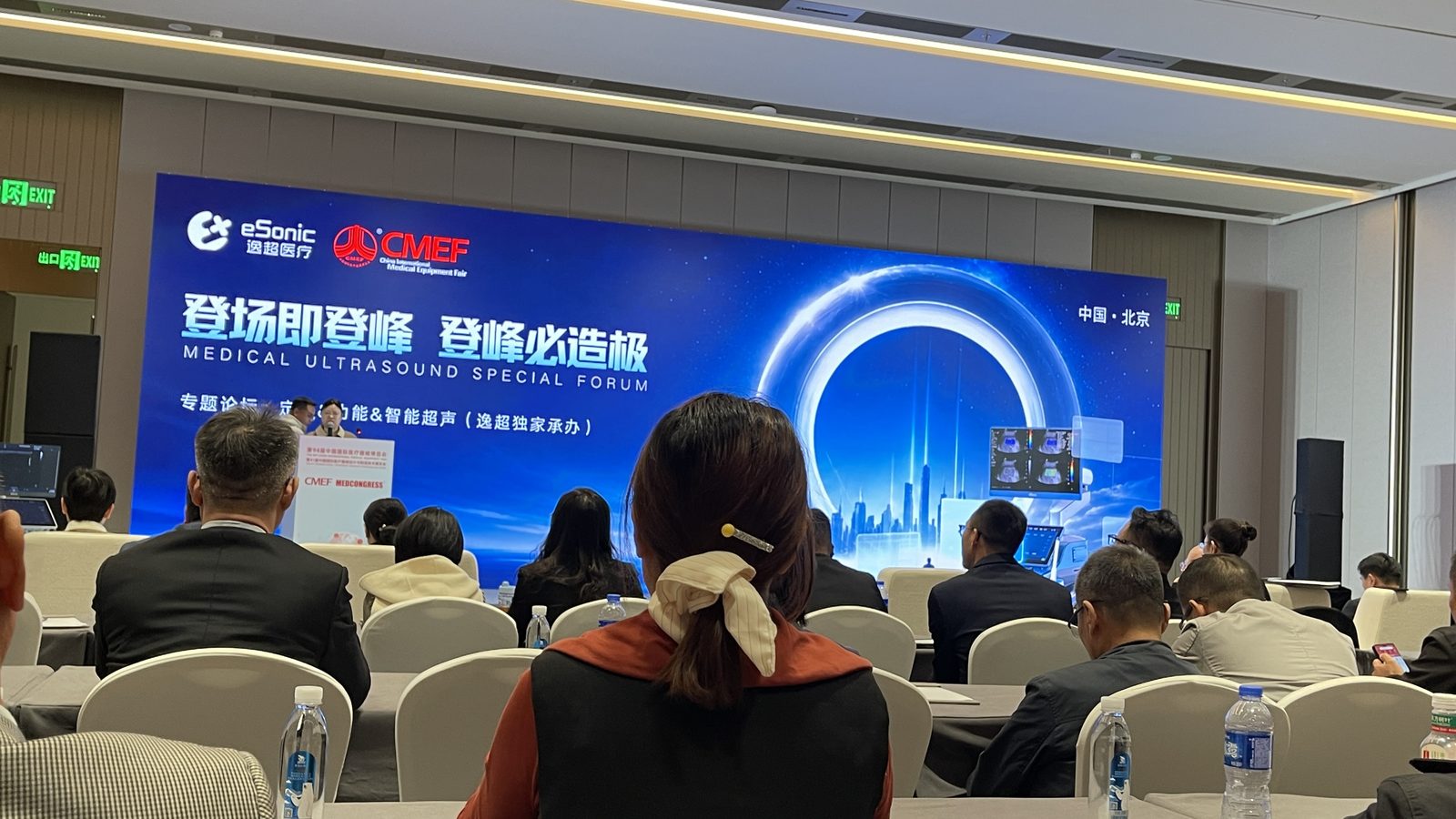
CMEF Autumn 2026: Walking the Show Floor in Beijing with Our Clients
On 23 October 2026, WeHere Medical accompanied international clients through the 94th CMEF in Beijing - ultrasound forums, surgical robotics demos and...
Oct 23, 2026
→
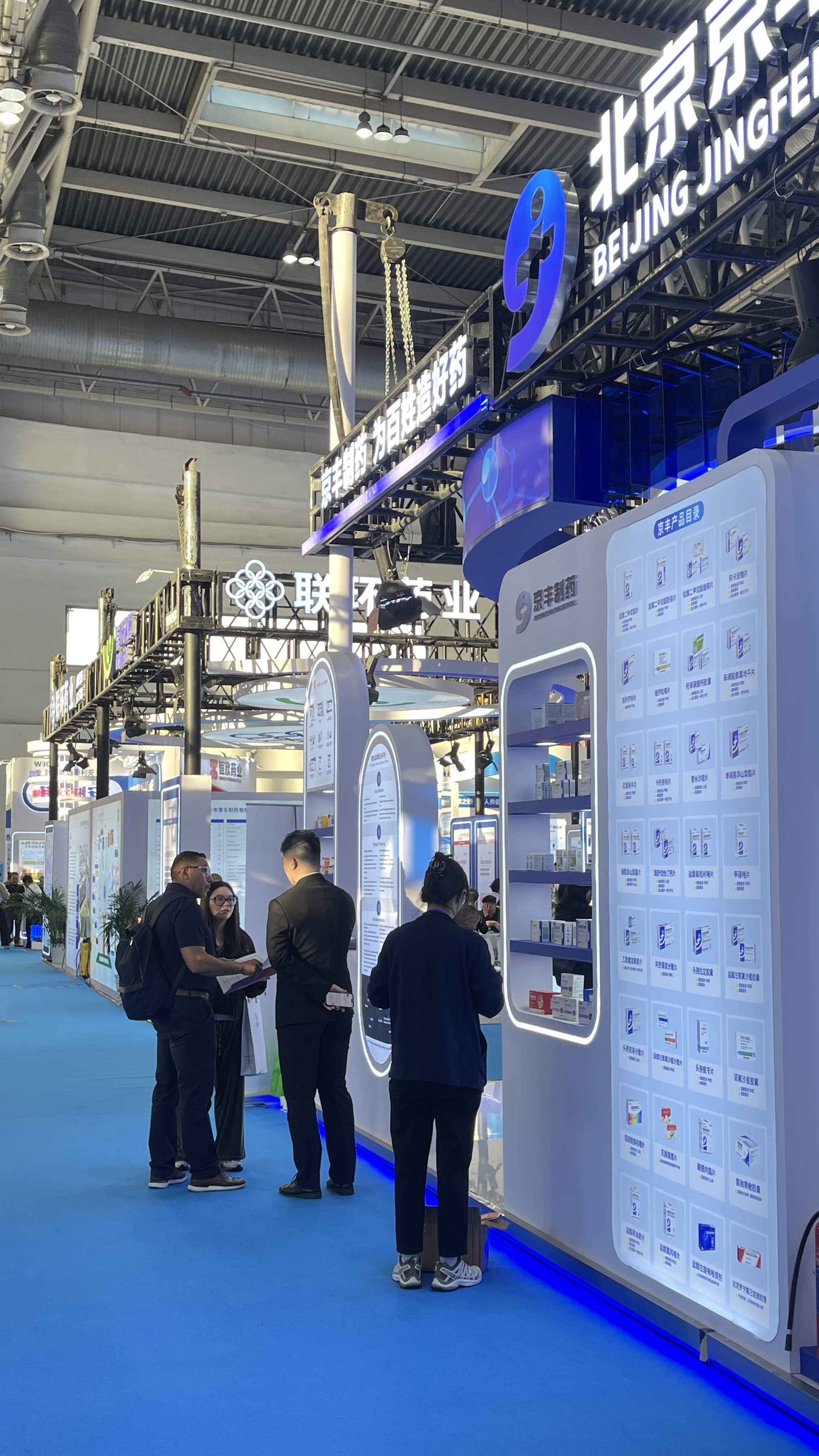
WeHere Medical Hosts Client at CMEF Beijing 2026: A Hands-On Partnership Meeting
WeHere Medical recently welcomed a valued client to Beijing for a hands-on demonstration and deeper partnership discussion during the 94 th China Inte...

Oct 21, 2026
→
EU MDR Revision: "Single-Use" Is Becoming a Claim, Not a Default
The European Commission's proposed MDR rewrite turns the single-use label into a claim that must be justified in the technical file. For makers of dis...